Regional Refresher Course – ASI 2026: Taking Surgical Training Beyond the Classroom
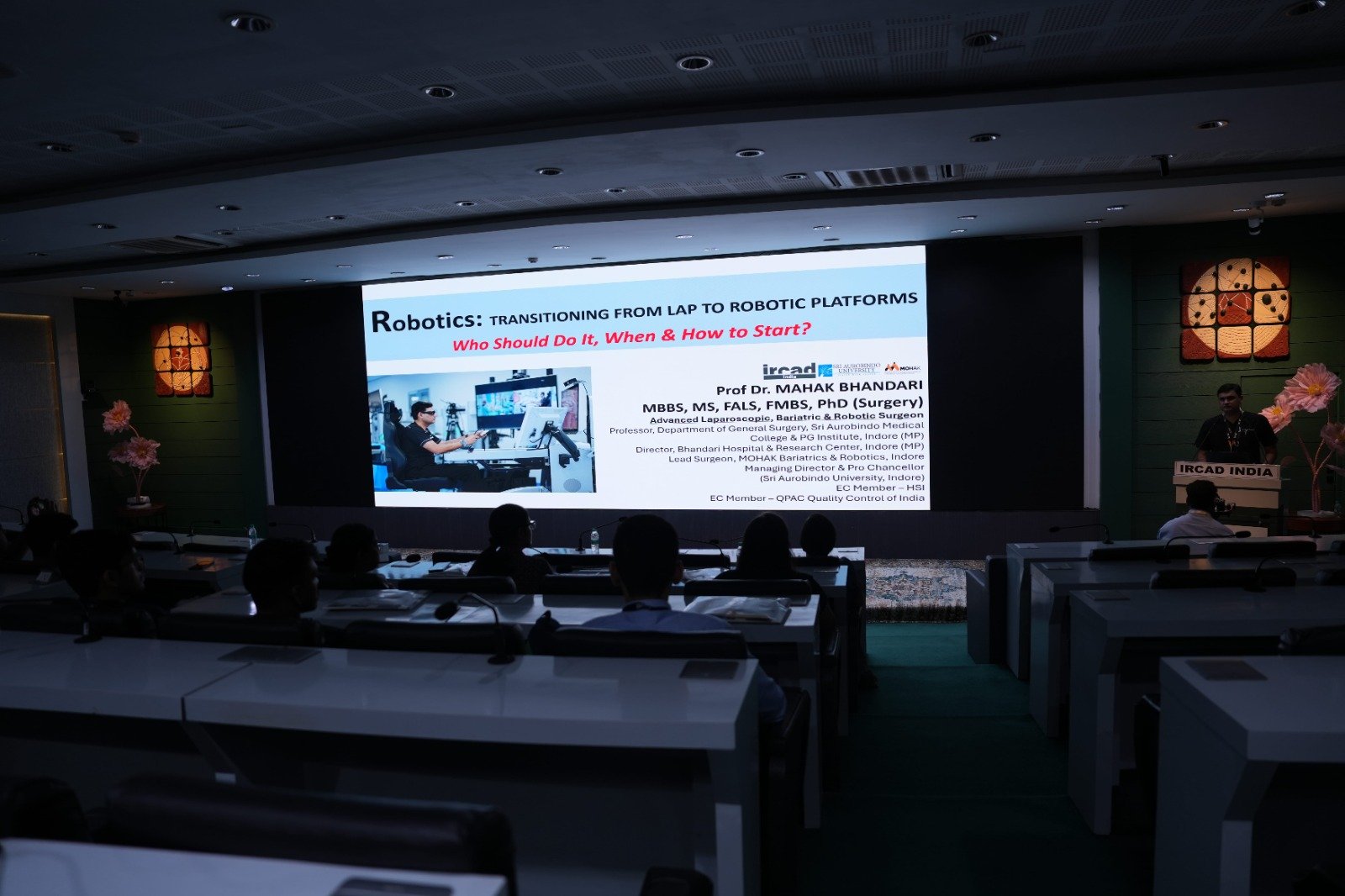
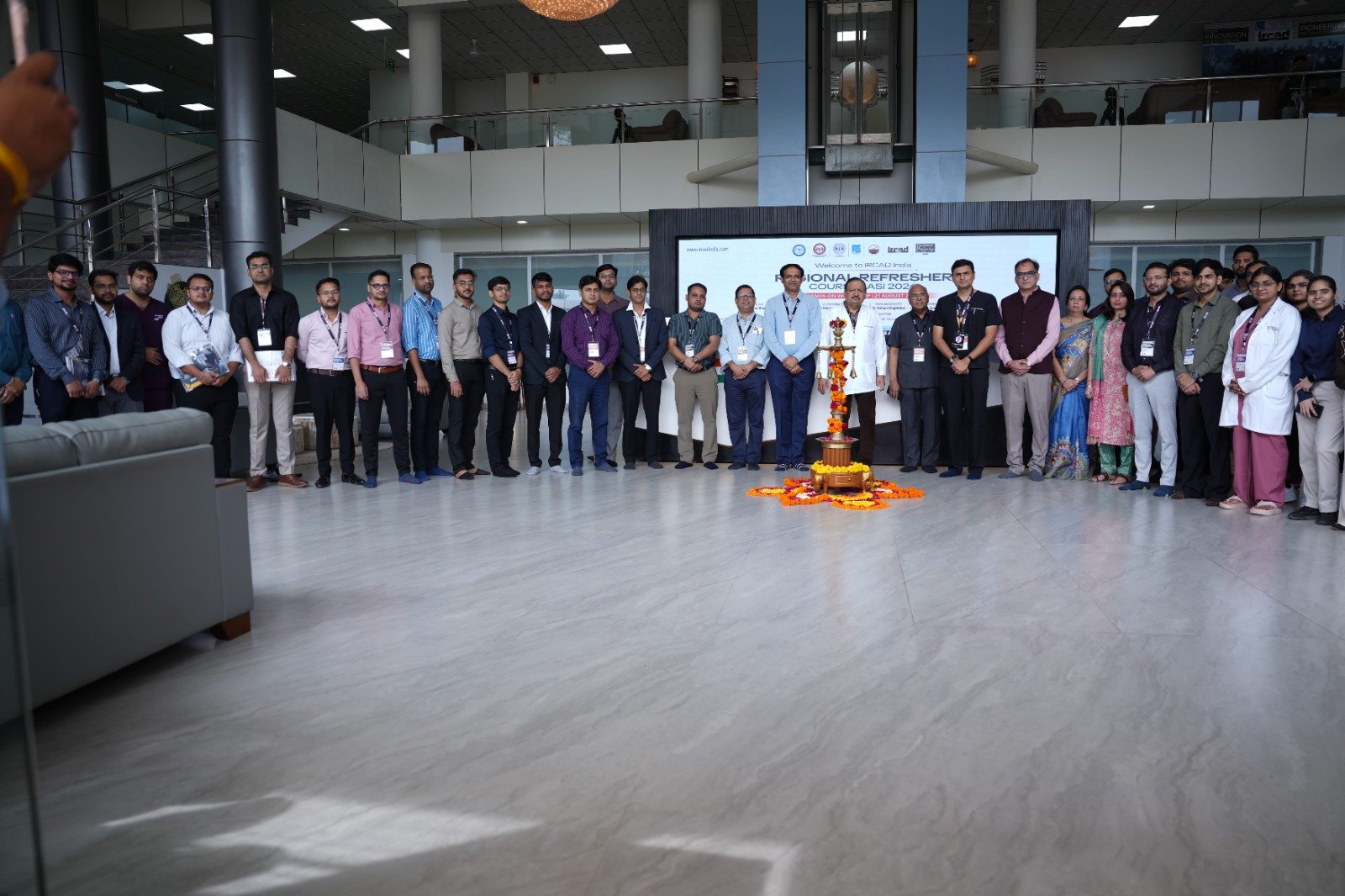
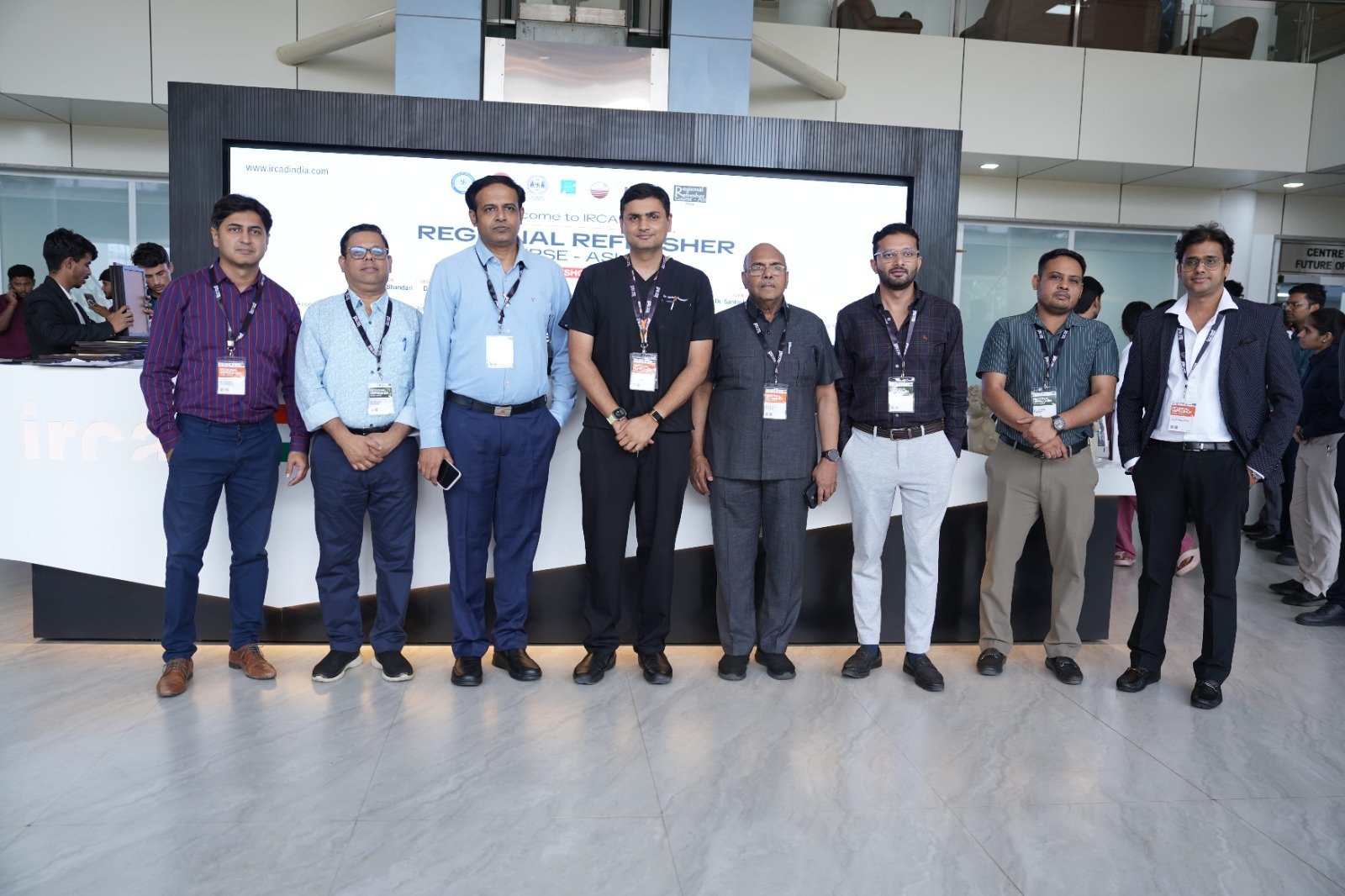
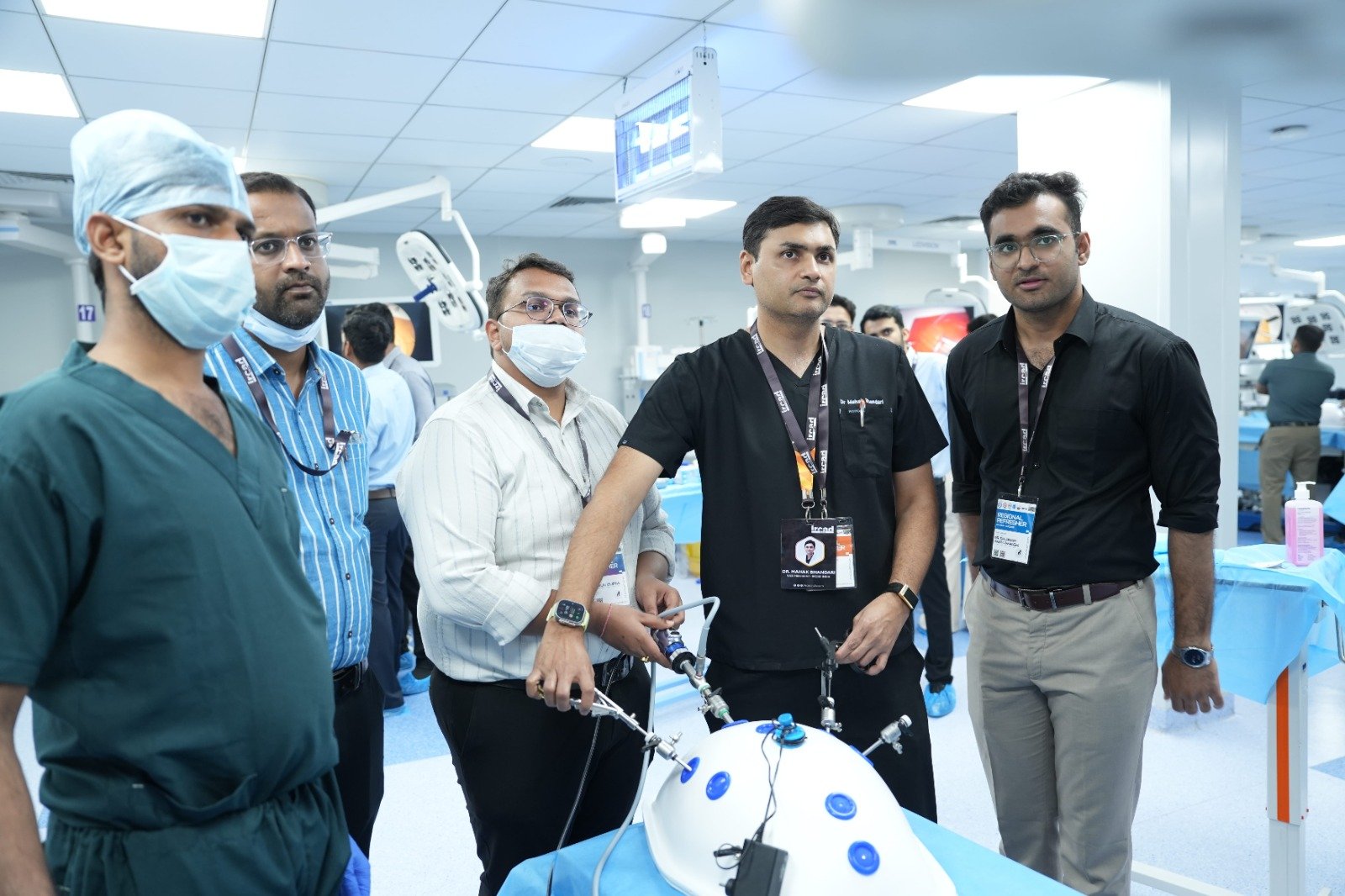
It was a privilege to be part of the Regional Refresher Course – ASI 2026, Zone-4, held at IRCAD India and Sri Aurobindo Institute of Medical Sciences (SAIMS), Indore. As a speaker and co-organising chairperson, I had the opportunity to contribute to a three-day academic programme dedicated to strengthening surgical education, practical skills, and the future of minimally invasive and robotic surgery.
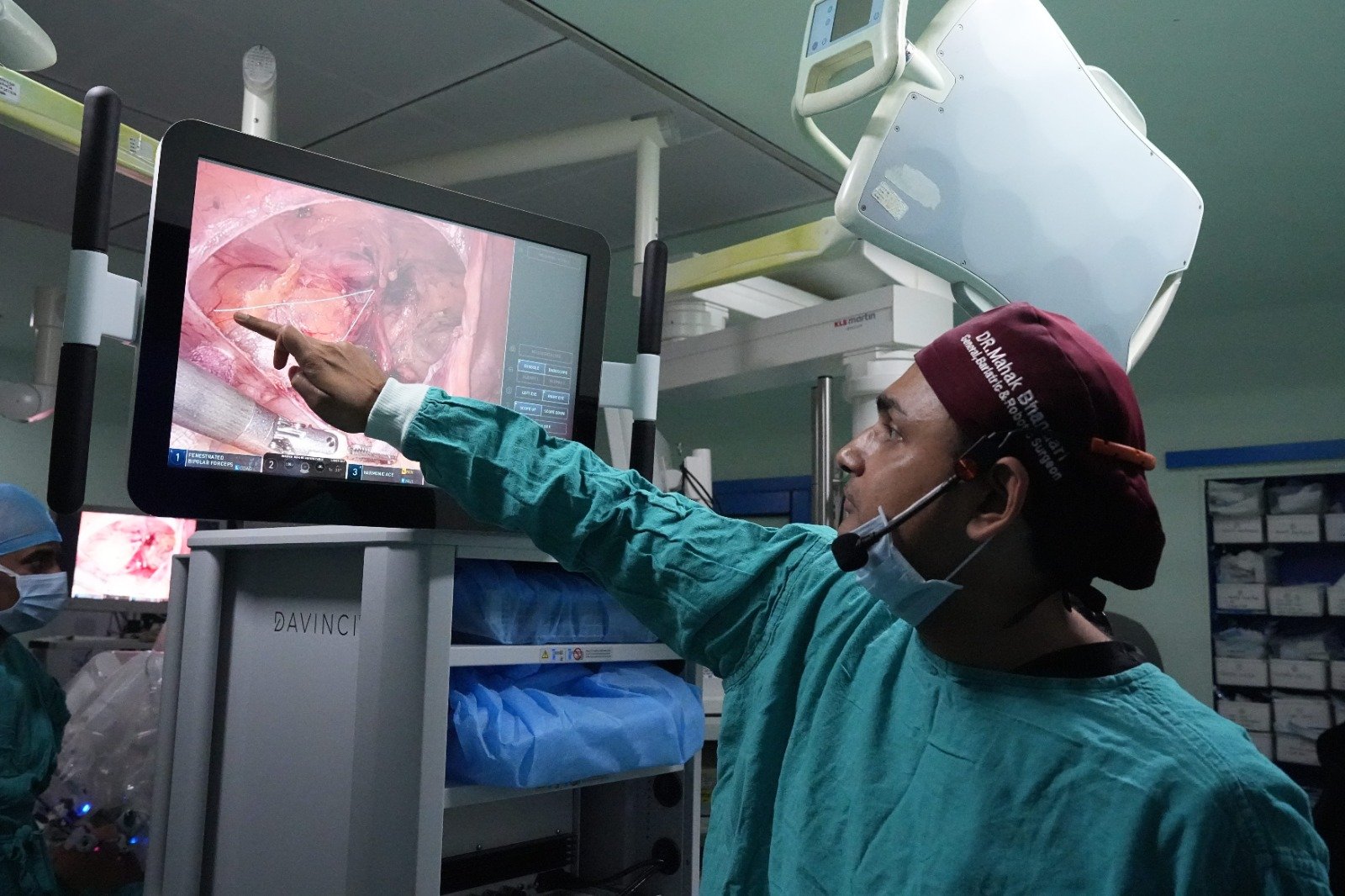
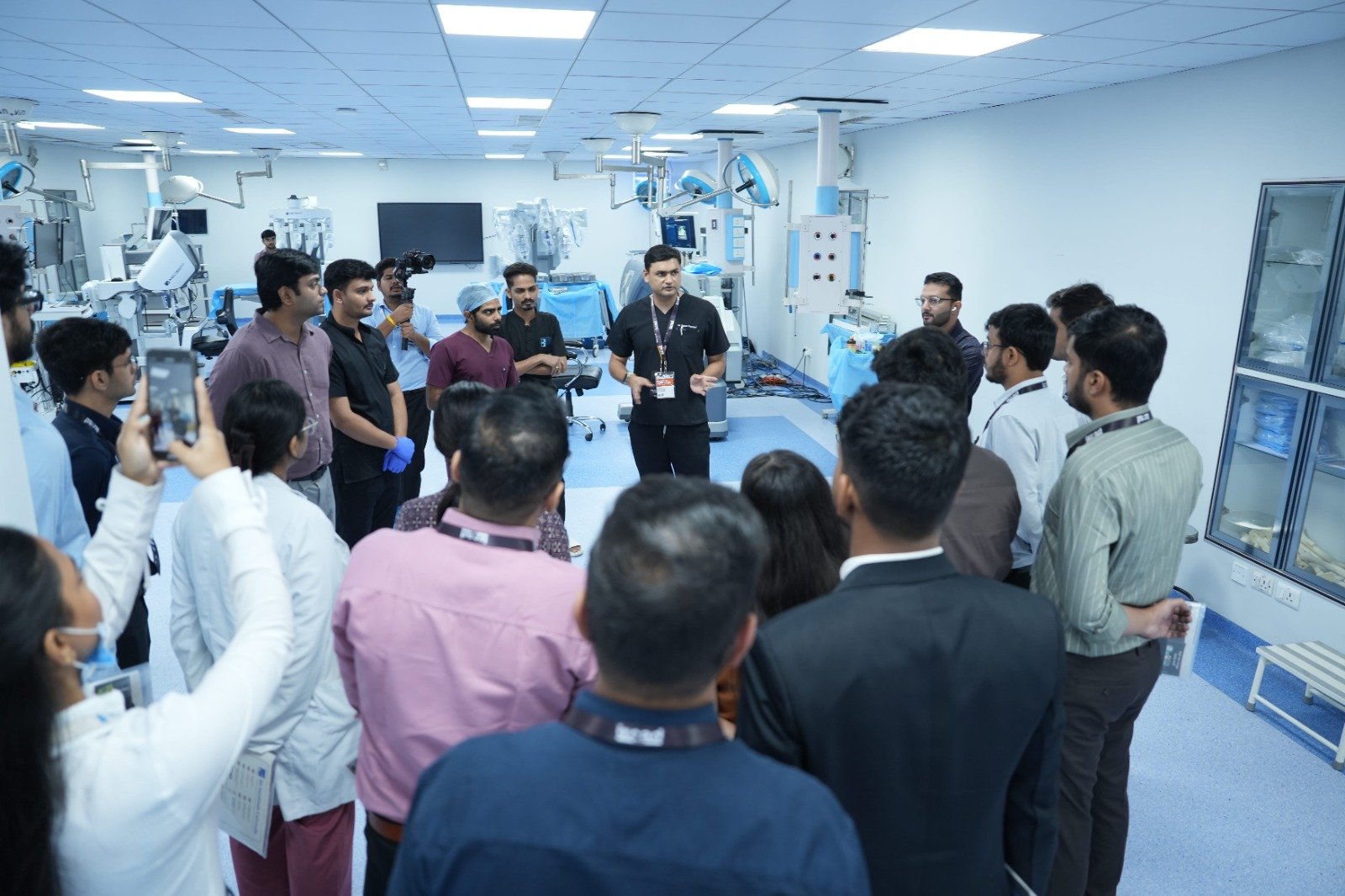
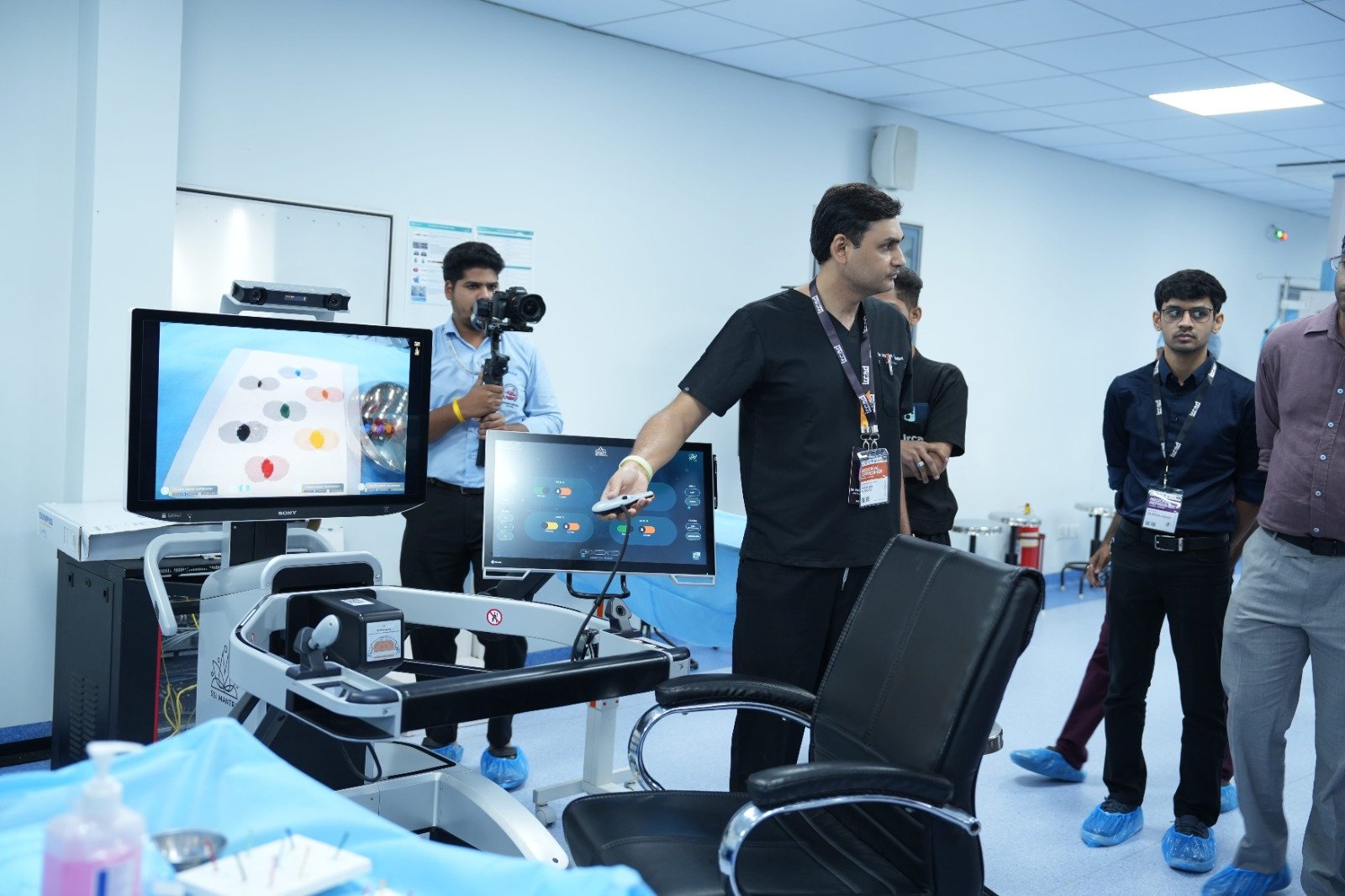
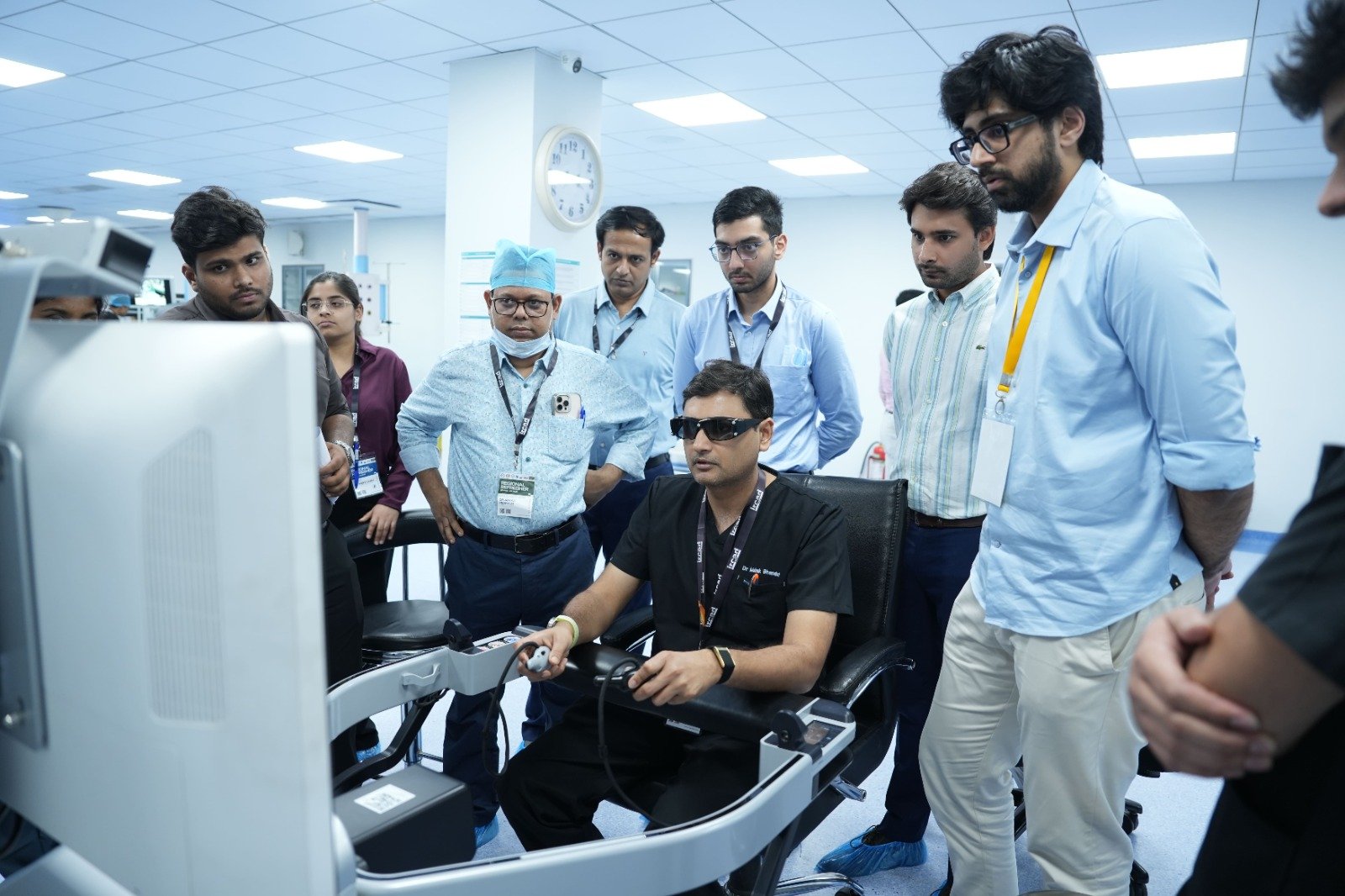
The first day focused on hands-on surgical training, with live demonstrations and simulation-based learning. The programme included a live laparoscopic TAPP hernia repair demonstration, dry-lab exercises and a tissue-lab session on basic laparoscopic suturing. The Robotic Surgery module further introduced participants to the robotic surgical platform, operating-room setup, safe operation, and the role of robotic surgery in shaping the next-generation surgeon. A live robotic TAPP inguinal hernia repair demonstration was also conducted, followed by structured robotic simulation covering console ergonomics, camera control, clutching, bimanual instrument manipulation, needle handling, suturing and intracorporeal knotting. Competency assessment, troubleshooting, and debriefing completed the hands-on component.
The second and third days shifted to comprehensive scientific sessions, bringing together senior surgeons, academicians, and young surgical professionals for meaningful academic exchange. Expert lectures focused on the latest advancements in surgery, evidence-based practices, and evolving surgical guidelines. Interactive panel discussions provided an opportunity to explore complex surgical issues from multiple perspectives.
Virtual live case demonstrations, including TAPP hernia repair, helped participants understand advanced procedures and clinical decision-making through a step-by-step approach. Real-world clinical case discussions for postgraduate students further encouraged analytical thinking and decision-making. PG participants from across the country also presented research papers and surgical posters and received valuable feedback from experienced faculty.
Across all three days, the emphasis remained on patient safety, innovation and the effective clinical integration of laparoscopic and robotic surgery. For me, this programme represented more than a scientific event-it was an opportunity to learn, teach, exchange ideas and help create confident, skilled and future-ready surgeons through structured education, mentorship and experiential learning.
Event Gallery